
New Roofs Installed for Decades of Performance
Roof Installation in San Jose for new construction projects and full replacements on homes with failed systems
Proper roof installation determines whether a roof lasts twenty years or fails in ten, and the difference comes down to material selection, ventilation design, and fastening precision. All Weather Roofing installs new roofs in San Jose, Palo Alto, Sunnyvale, and surrounding areas for both new construction and complete replacements, matching materials to building type, budget, and long-term performance goals. Homeowners and builders rely on this service when framing is complete and the structure needs a weather-tight envelope, or when an existing roof has deteriorated beyond repair and requires full removal and replacement.
Installation begins with roof deck inspection to confirm structural integrity, followed by underlayment application that provides a secondary water barrier. Shingles, tiles, or membrane systems are installed with attention to manufacturer specifications, ensuring proper overlap, fastener placement, and flashing integration at valleys, eaves, and roof penetrations. Ventilation is balanced between intake vents at soffits and exhaust vents at the ridge to prevent heat and moisture buildup that shortens roof lifespan and increases energy costs.
Request a project estimate to review material options, installation timelines, and warranty coverage for your new roof.
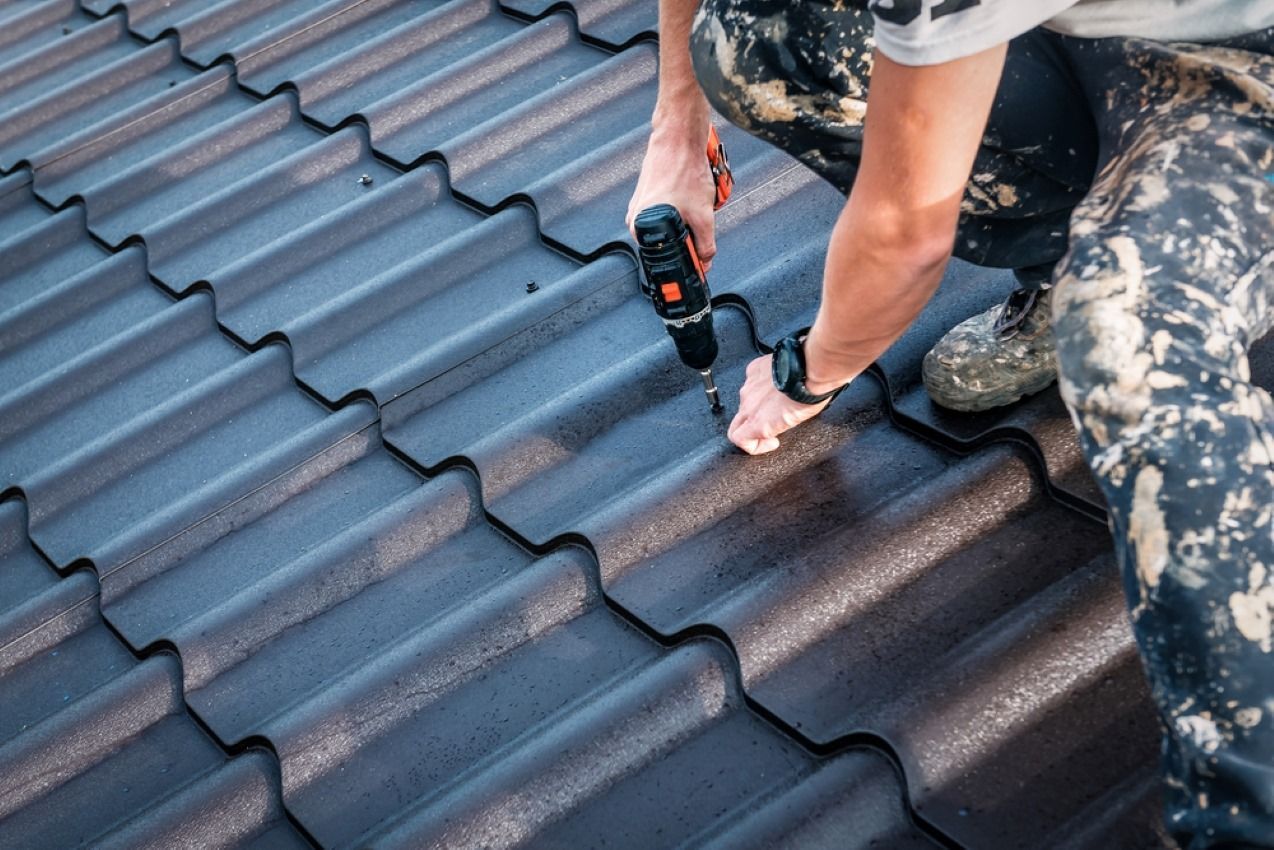
What Changes After Installation Completes
A properly installed roof creates a continuous barrier against water intrusion, with every shingle course overlapping correctly and all flashing sealed at chimneys, skylights, and wall intersections. Energy efficiency improves when ventilation is designed correctly, keeping attic temperatures closer to outdoor levels and reducing the load on cooling systems during warm months. All Weather Roofing ensures that starter strips are installed along roof edges to prevent wind from lifting shingles, and that valley flashing channels water away from vulnerable seams where two roof planes meet.
Once installation is finished, you'll notice that the roof sheds water cleanly without leaks or drips, and the roofline appears uniform with consistent shingle exposure and no visible fasteners. Quality control includes inspecting each section as work progresses to catch errors before they're covered, and warranties from both the manufacturer and the installer provide coverage for material defects and installation workmanship.
Material selection affects both initial cost and long-term durability, with asphalt shingles offering affordability and ease of installation, while tile and metal roofs provide longer lifespans and better resistance to fire and impact damage. Budget considerations are balanced with performance requirements, and guidance is provided to help you choose materials that fit your priorities without overpaying for features you don't need.
Answers to Frequent Service Questions
Clients planning new roof installations often ask about materials, timelines, and what happens during the work.
How is the right roofing material selected?
Material choice depends on building design, budget, and climate conditions, with shingles offering versatility and lower cost, while tile and metal provide superior longevity and weather resistance.
What role does ventilation play in roof performance?
Balanced ventilation prevents heat from accelerating shingle aging and stops moisture from condensing in attic spaces, which can rot roof decking and reduce insulation effectiveness.
How long does a new roof installation take?
Residential installations typically take two to four days depending on roof size and complexity, while larger or more intricate roofs may require additional time for proper flashing and detail work.
What happens to the old roof during replacement?
Existing materials are stripped down to the roof deck, which is inspected for damage and repaired as needed before new underlayment and roofing are installed.
Are installation warranties included?
Most new roofs come with manufacturer warranties on materials and workmanship warranties from the installer, covering defects and installation errors for a specified period after completion.
All Weather Roofing provides detailed estimates that outline material options, installation steps, and project timelines. Arrange a consultation to discuss your roof installation needs and receive a comprehensive project plan.