
Drainage Systems That Actually Protect Foundations
Gutter Services in San Jose for properties experiencing water pooling near foundations or visible overflow during storms
Gutters installed without accounting for San Jose's concentrated winter rainfall often fail exactly when they're needed most, sending hundreds of gallons directly against foundations and under siding edges. All Weather Roofing provides gutter installation, repair, and maintenance designed to handle the volume and flow patterns specific to this region's weather cycles. Custom-fit systems account for roof pitch, square footage of collection area, and the distance water needs to travel before reaching downspouts.
Proper gutter service addresses the full path water takes from your roofline to safe drainage away from the structure, preventing the cascading damage that begins with saturated soil and progresses to foundation settling, siding rot, and interior moisture intrusion. The system integrates with existing roofing to create a continuous barrier that directs thousands of gallons away from vulnerable building elements throughout the rainy season.
Schedule a property drainage evaluation to identify where water currently exits your roofline and where it should be directed instead in San Jose, Palo Alto, Cupertino, and surrounding areas.
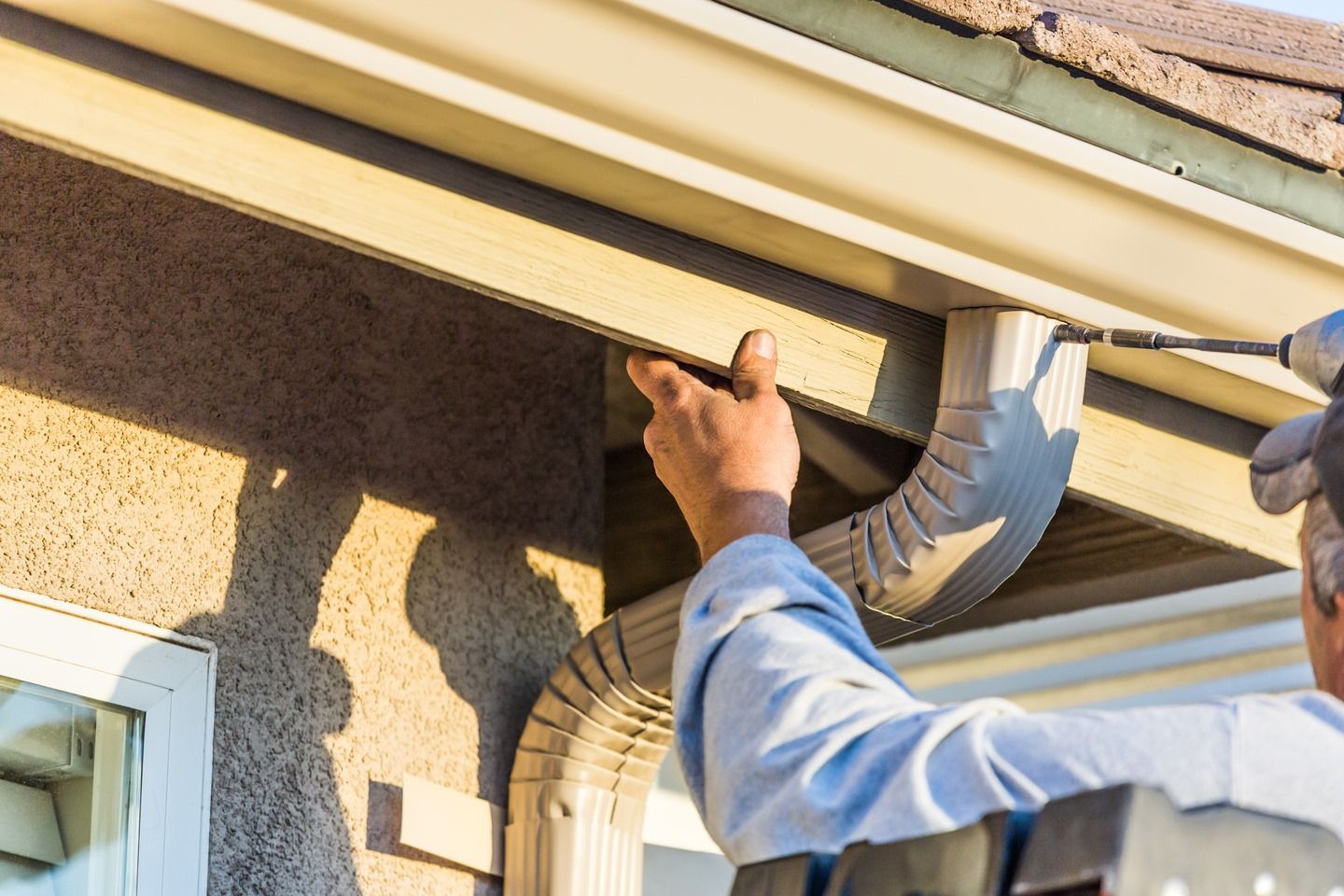
Why Gutter Systems Fail and What Proper Installation Prevents
Gutter performance depends on sizing the trough and downspout capacity to match your roof's square footage and the intensity of rainfall events in your area, not just hanging channels along the roofline. Systems undersized by even one inch of width can overflow during heavy storms, while improperly sloped sections allow standing water that rusts through metal or breeds mosquitoes in debris.
After installation, you'll notice water exiting exclusively through downspouts during rain rather than sheeting off roof edges or spilling over gutter lips. Soil adjacent to your foundation stays measurably drier, siding stops showing water stains near the ground, and basement moisture issues tied to exterior saturation decrease. All Weather Roofing configures these systems to integrate with your roofing structure, ensuring fasteners penetrate into solid framing rather than just fascia boards that pull away under weight.
Maintenance intervals depend on your surrounding vegetation, but cleaning and inspection prevent the clogs that turn functional gutters into overflowing troughs that damage the very surfaces they're meant to protect. Regular upkeep also reveals small separations at seams or fastener points before they become gaps that dump water directly onto walkways or against siding.
What Property Owners Ask About Gutter Work
Questions about gutter services often focus on timing, materials, and what actually changes after installation or repair.
What determines the right gutter size for a specific building?
The calculation accounts for roof square footage, pitch angle, and the maximum rainfall intensity typical for San Jose during winter storm systems, ensuring the trough can handle peak flow without overflow.
How does gutter installation connect to existing roofing without creating leak points?
Fasteners are placed into rafter tails or blocking behind fascia boards, and flashing integration ensures no exposed gaps exist between the drip edge and gutter lip where water can slip behind the system.
When should gutters be cleaned to prevent seasonal clogs?
Before the rainy season begins in late fall and again in early spring after leaf drop captures most debris before it concentrates into blockages that cause overflow during storms.
What indicates a gutter system needs repair versus replacement?
Visible separation at seams, rust holes, sagging sections that hold standing water, or fasteners pulling away from the building all signal structural failure that cleaning won't address.
Why do some properties need larger downspouts than standard sizes?
Higher roof areas or steeper pitches concentrate water volume that overwhelms standard downspout diameter, requiring larger outlets to prevent backup and overflow at the collection point.
All Weather Roofing assesses your property's specific drainage needs based on roof configuration and surrounding grade conditions. Request an inspection to determine whether your current system handles the actual water volume your roof sheds during winter weather.