
Immediate Response When Roofs Fail Suddenly
Emergency Roofing Services in San Jose for active leaks, storm damage, or structural compromise requiring urgent assessment
A tarp spread across a damaged roof section keeps rain out of your attic temporarily, but the assessment of what failed and why determines whether you're facing isolated repairs or broader structural issues that storm exposure simply revealed. Emergency roofing response involves rapid evaluation of where water is entering, what building elements are at risk if the breach continues, and what temporary protection will hold until permanent repairs can be sequenced and completed. All Weather Roofing handles time-sensitive situations where roof failure threatens interior finishes, stored belongings, or electrical systems in ceiling cavities.
Storm damage often begins at vulnerable points where flashing meets vertical walls, around roof penetrations like skylights and vents, or where aging materials finally surrender to wind uplift during high-wind events that are increasingly common in this region during winter storm patterns. Emergency service focuses first on stopping active water intrusion, then on determining the extent of hidden damage to underlayment, sheathing, or framing that isn't visible from ground level.
Call for immediate assistance if you're experiencing active leaks or visible roof damage following a weather event in San Jose, Palo Alto, Atherton, and surrounding areas.
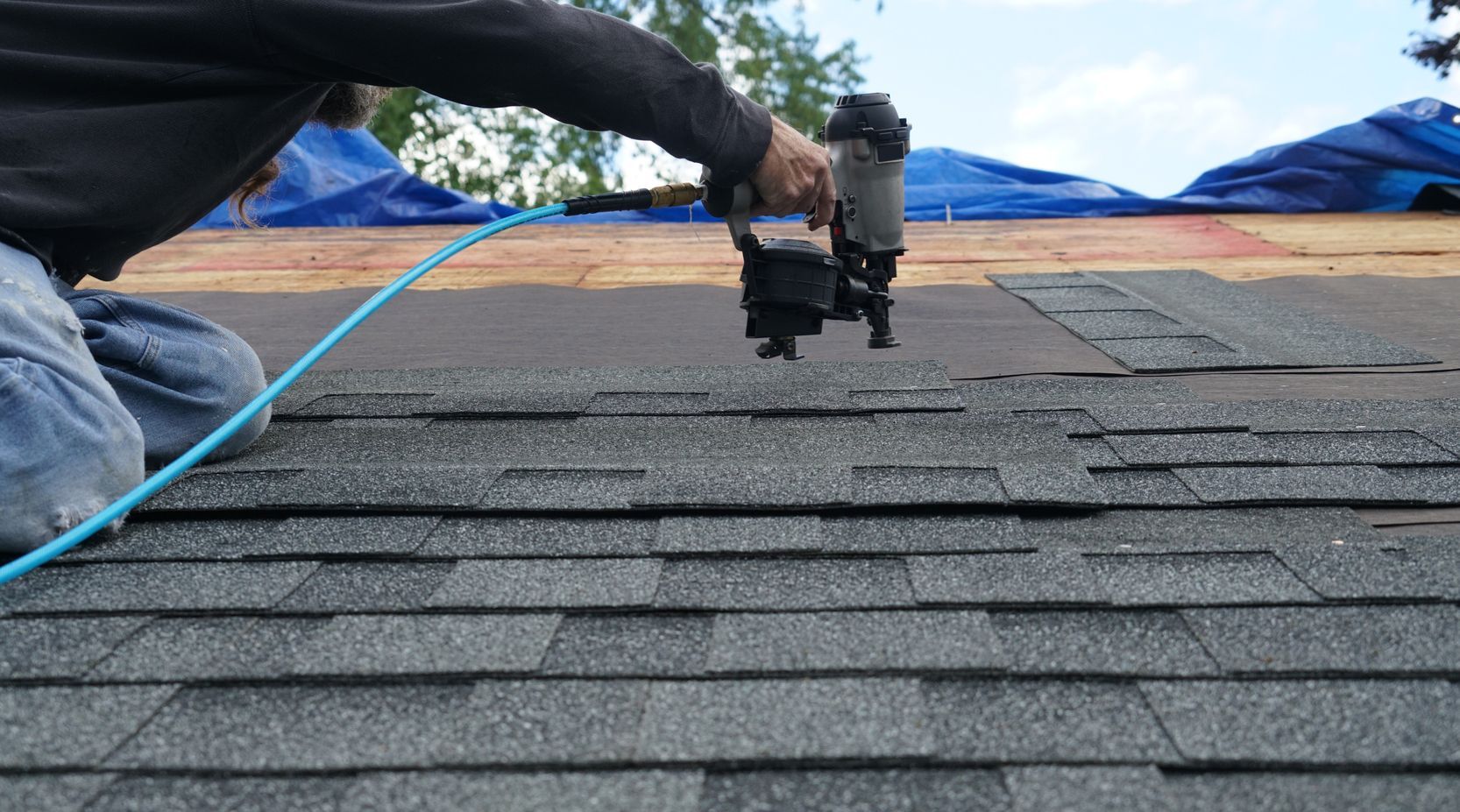
How Emergency Roofing Addresses Urgent Situations
Emergency response starts with determining whether damage is localized or systemic, which dictates whether temporary protection buys time for scheduled repairs or whether immediate structural intervention prevents collapse risk. Temporary measures include tarping, sealing exposed sheathing, and securing loose materials that could become windborne hazards. The assessment documents damage extent for insurance purposes while identifying immediate safety risks versus deferred repair needs.
After temporary protection is in place, water stops entering the building envelope and the progression of interior damage halts. Ceilings stop dripping, insulation stops absorbing moisture, and the risk of mold development in concealed cavities decreases substantially. You'll have a clear understanding of what failed, why it failed, and what sequence of repairs will restore full weather protection rather than just patching the most visible damage.
High-risk situations involving structural sagging, large sections of missing roofing, or compromised support framing require different protocols than straightforward leak repairs, and experienced handling prevents secondary injuries or further building damage during temporary stabilization work.
Answers to Urgent Roofing Questions
When roof emergencies happen, property owners need immediate answers about next steps, damage extent, and protection options.
What qualifies as a roofing emergency versus routine repair?
Active water intrusion during or immediately after storms, visible structural sagging, large sections of displaced or missing materials, or damage that exposes interior spaces to weather all require urgent response rather than scheduled service.
How quickly can temporary protection be installed after damage occurs?
Response time depends on weather conditions allowing safe roof access and crew availability during high-demand periods following widespread storm events, but initial assessment and critical tarping typically happen within hours of contact for active emergencies in San Jose.
What does temporary protection actually accomplish?
Tarping and sealing prevent additional water from entering damaged areas, stopping the progression of interior damage to ceilings, insulation, and framing while permanent repairs are planned and materials are obtained.
When should permanent repairs happen after emergency tarping?
As soon as weather permits safe working conditions and materials arrive, since tarps are temporary measures that degrade under UV exposure and can lift or tear in subsequent wind events.
Why do some emergency calls result in full replacement recommendations?
Assessment often reveals that visible storm damage simply exposed pre-existing deterioration of underlayment, sheathing, or materials that were already near failure, making isolated repairs a short-term fix that doesn't address the broader vulnerability.
All Weather Roofing maintains emergency response capacity for situations requiring immediate action to prevent further damage. Contact us directly if you're facing active roof failure or storm damage that threatens your building's interior.